The Japanese Writing System
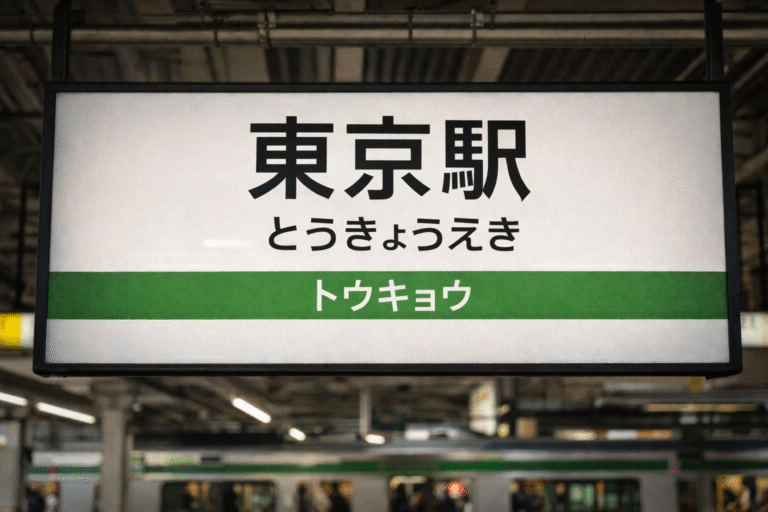
Read about kanji, hiragana, and katakana—the three ways used to write Japanese.
First time here? See how to enjoy graded reading.
Words to Know 読む前に知っておきたい言葉
You may want to read these words before you begin.
| Word | English explanation | 日本語 |
|---|---|---|
| difficult | not easy to do or understand | 難しい |
| picture | an image or drawing that shows a person, place, or thing | 絵、画像 |
| tree | a tall plant with a hard trunk and branches | 木 |
| computer | an electronic machine used to store information and do many kinds of work | コンピューター |
| easy | not difficult; needing little effort | 簡単な、易しい |
| fast | quickly or at high speed | 速く、速い |
| mostly | mainly or for the greater part | 主に、ほとんど |
| purpose | the reason why something exists or is done | 目的、役割 |
| rest | to stop working or moving for a time | 休むこと、休息 |
| simple | easy to understand or do; not complicated | 簡単な、単純な |
Normal speed
Listen at the regular reading speed.
90% speed
Listen at a slightly slower speed.
Japanese is different from many other languages. It uses three different ways to write. This can seem difficult, but each way has a special purpose.
The first way is called kanji. Kanji came from China more than a thousand years ago. Each kanji is a picture that means something. Some kanji are simple, and some are very difficult. Japanese people learn about two thousand kanji in school. Each kanji can mean a word or part of a word. For example, one kanji means “person,” and another means “tree.” When you put some kanji together, you can make new words. For example, "person" and "tree" together mean "rest."
The second way is called hiragana. Japanese people made hiragana a long time ago. They needed a way to write their own language better. Kanji came from Chinese, but Japanese and Chinese are very different. Japanese people took some kanji and made them simpler. These became hiragana. There are only 46 hiragana. Each hiragana is a sound, not a whole word. Japanese children learn hiragana first because it is easy to learn.
The third way is called katakana. Japanese people made this at the same time as hiragana. There are also 46 katakana. Each katakana is the same sound as one hiragana. But people use katakana for different things. They use it mostly for words from other countries. For example, the word “computer” is not a Japanese word. So people write it in katakana.
Why does Japanese use three ways to write? Each way helps people read and understand better. Kanji helps people read fast because one picture can mean a whole word. Hiragana helps with parts of words that kanji cannot show. Katakana helps people see which words came from other countries.
Learning to write Japanese takes a long time. But when you know all three ways, you can read anything in Japanese.
Take a moment to think about what you read.
Optional: Check your understanding
You can answer these five quick questions, or skip them and choose another story.
1. How many different ways does Japanese use to write?
- One
- Two
- Three
- Four
2. Where did kanji come from?
- China
- Europe
- America
- Korea
3. Why do Japanese children learn hiragana first?
- It has thousands of pictures.
- It is easy to learn.
- It is used only for foreign words.
- It came directly from English.
4. What is katakana mostly used for?
- Numbers
- Old Chinese writing
- Words from other countries
- Names of trees
5. What is the main idea of the reading?
- Japanese uses three writing systems, and each has a different purpose.
- Only kanji is important in Japanese.
- Japanese children do not learn katakana.
- All Japanese writing came from English.
Show answers
- C — Three
- A — China
- B — It is easy to learn.
- C — Words from other countries
- A — Japanese uses three writing systems, and each has a different purpose.
← Back to Core 400 Reading
← Back to Graded Readers
← Back to Home