Muhammed Ali
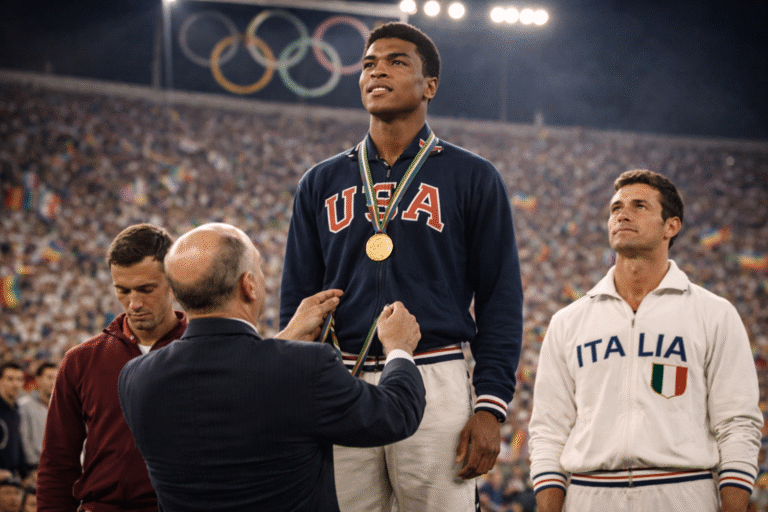
More than a champion
Under the glaring lights of the Olympic podium, a youthful Muhammad Ali, then Cassius Clay, stood with a triumphant smile that captivated the world. Having just claimed his gold medal in the 1960 Rome Olympics, he exuded a mix of exuberance and purpose, his victory transcending the boxing ring itself. People admired his speed, power, and quick wit, but his impact reached far beyond sports. Ali was more than a great boxer; he used his voice to speak up for justice, faith, and personal freedom. His life was filled with success, struggle, loss, and a lasting influence.
Muhammad Ali was born in 1942 in the United States and was originally named Cassius Marcellus Clay Jr. As a child, he was full of energy and confidence. He started boxing when he was young, after his bike was stolen and he wanted to confront the thief. A local police officer who trained boxers suggested he learn the sport instead.
Ali worked hard and showed natural talent. He moved fast, dodged punches easily, and created his own style. Unlike most boxers then, he used both speed and movement, not just strength. He often said he could “float like a butterfly and sting like a bee,” a phrase known worldwide.
In 1960, Ali competed in the Olympic Games as a young amateur boxer and won the gold medal in the light heavyweight division. This win made him famous across the country and helped him start his professional career. For many athletes, winning an Olympic gold medal is the highest honor.
But Ali’s connection to this medal became part of a powerful story. According to a well-known account, after coming home, Ali faced unfair treatment because of his race. Feeling deeply disappointed, he reportedly threw his gold medal into a river. Even if every detail is not certain, the story shows Ali’s growing awareness of injustice and his choice to speak out.
Not long after starting his professional boxing career, Ali made a big personal decision. He changed his name from Cassius Clay to Muhammad Ali to show his religious beliefs and new identity. This choice surprised some people and upset others. Some would not use his new name, but Ali did not back down.
At the same time, his boxing career was taking off. He beat top fighters and became the world heavyweight champion. In the ring, he was confident and creative. Outside the ring, he spoke his mind and often challenged reporters and the public. Some people admired him, while others did not like him at all. But everyone noticed him.
One of the most important moments in Ali’s life happened during the Vietnam War. When he was asked to join the military, Ali refused. He explained that his beliefs would not let him take part in the war. He also wondered why he should fight overseas when people at home faced unfair treatment.
This choice had serious consequences. Ali lost his boxing title and was banned from the sport for several years. He lost money, faced legal problems, and many people criticized him. Some even called him unpatriotic. At the time, most people did not support his decision. Still, Ali did not change his mind. He accepted the price of his choice and kept explaining his reasons calmly and clearly. Years later, many people saw his actions as brave and based on strong principles.
After his ban ended, Ali went back to boxing. Even though he had been away, he competed at the top level again. He fought in some of boxing’s most famous matches and won back the world heavyweight title.
As Ali got older, he faced new challenges. He developed a serious health problem that made it hard for him to move and speak. Still, people respected and admired him. He went to public events, helped with charities, and kept inspiring people everywhere.
Muhammad Ali’s life was about more than just wins and losses. He was a champion athlete and a symbol of courage and strong beliefs. He showed that success is not just about strength, but also about standing up for what you believe in, even when it is difficult.
Today, people remember Muhammad Ali not only as one of the greatest boxers ever, but also as someone who showed that one person’s voice can make a difference far beyond the boxing ring.
Take a moment to think about what you read.
Check your understanding
- What did Muhammad Ali win at the 1960 Rome Olympics?
A. A silver medal in boxing
B. A gold medal in boxing
C. A world heavyweight title
D. A national football trophy - Why did Ali start boxing when he was young?
A. He wanted to impress his classmates
B. He wanted to confront the person who stole his bike
C. He wanted to become a police officer
D. He wanted to travel to Rome - In which division did Ali win Olympic gold?
A. Heavyweight
B. Middleweight
C. Light heavyweight
D. Flyweight - What name did he change from Cassius Clay to?
A. George Foreman
B. Malcolm X
C. Muhammad Ali
D. Joe Frazier - What major event led Ali to refuse joining the military?
A. World War II
B. The Korean War
C. The Vietnam War
D. The Gulf War - What happened to Ali after he refused to join the military?
A. He was given a medal for bravery
B. He became the Olympic coach
C. He lost his boxing title and was banned for several years
D. He immediately retired and never boxed again
Show answers
Answers:
- b
- b
- c
- c
- c
- c